
For years, wellness was obsessed with fast results. Detox teas. 7-day resets. “Flat stomach” challenges. Quick fixes dressed up as health. But in 2026, something has clearly changed.
People aren’t asking for another strict plan anymore.
They’re asking for something that actually fits into real life.
And honestly? That’s a major upgrade.
The new trend: longevity thinking
Longevity is the opposite of diet culture. It’s not about being “good” for two weeks and then falling off. It’s about building habits that support you quietly, consistently, and long-term.
The focus is shifting toward:
- stable energy
- better digestion
- healthy aging
- balanced blood sugar
- lower inflammation
- a calmer relationship with food
Not dramatic. Just effective.
Consistency is the new detox
The truth is: your body doesn’t need constant resets.
It needs stable inputs:
- real meals
- enough protein
- fiber and plant diversity
- hydration
- sleep
- movement that feels realistic
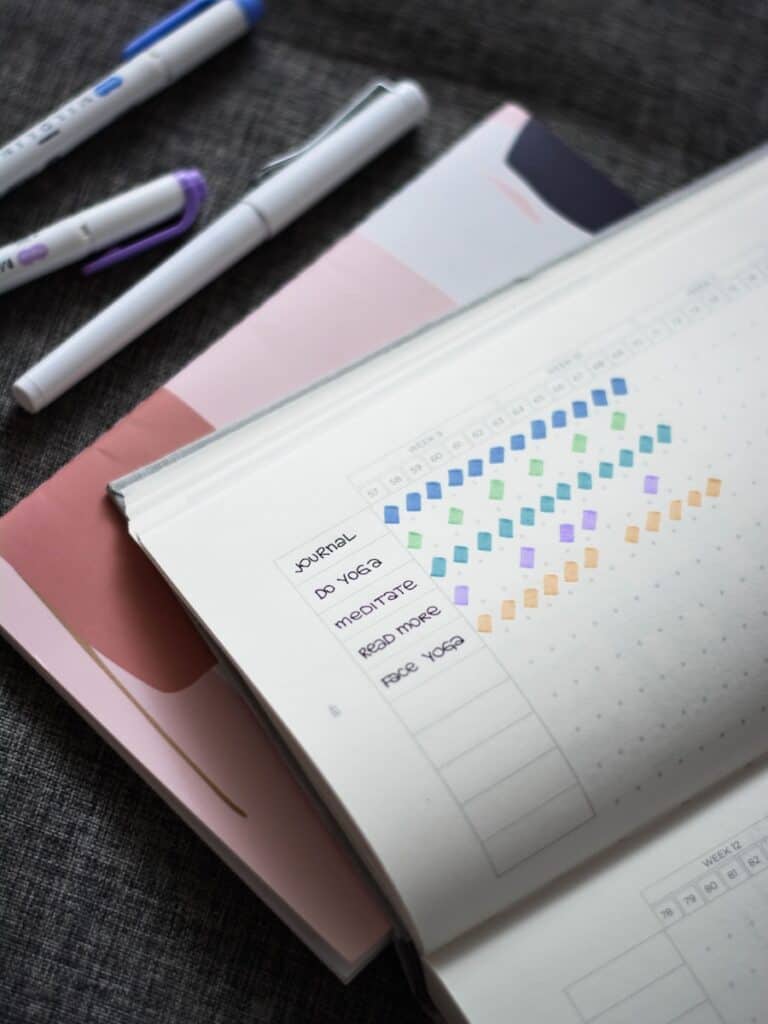
Detoxes are loud. Consistency is powerful. And it’s also way less exhausting.
Food as daily support, not control
One of the healthiest shifts right now is this:
Food is no longer a tool for control. It’s becoming a form of daily support.
Instead of “What should I cut out?” People are asking, “What can I add in?”
More plants. Better quality. Fewer ultra-processed foods. Organic when possible. Local when available. Seasonal when it makes sense.
Not perfection — but direction.
Why diets fail (but routines work)
Most diets fail for one simple reason:
They’re not designed for real life. They rely on motivation.
But routines rely on structure. And structure always wins.
If your habits are simple enough to repeat on a busy Tuesday, they’re strong enough to last for years.
The calm approach to nutrition
The healthiest people aren’t always the strictest. They’re often the most consistent. They don’t chase extremes. They build a rhythm.
A few strong meals. A few good staples. A lifestyle that doesn’t require constant willpower. Because the real goal isn’t to be perfect. The real goal is to feel good for a long time.


Final thought
The new wellness question isn’t: “How fast can I change?”
It’s: “What can I still do in 10 years?”
That’s where real health begins.