
The Psychology of Clutter—Why ‘Stuff’ Overwhelms the Mind


Clutter isn’t just a physical issue. It’s a psychological one.

Every object in your environment competes for your brain’s attention. Even if you’re not actively thinking about it, your mind is constantly scanning, processing, and filtering what’s around you. The more visual input you have, the harder your brain has to work.


This is why clutter often leads to:

  • Increased stress and anxiety
  • Difficulty concentrating
  • Mental fatigue

Your focus gets fragmented because small parts of your attention are pulled in multiple directions at once.

There’s also an emotional layer. Many items carry unfinished decisions:

  • Things you meant to organize
  • Items you feel guilty throwing away
  • Purchases that didn’t live up to expectations

These unresolved thoughts quietly build pressure in the background.


Minimalism helps by reducing both visual and emotional load. When you remove excess, you’re not just clearing space - you’re closing mental loops.

The result is subtle but powerful: Your mind feels lighter, calmer, and more in control.
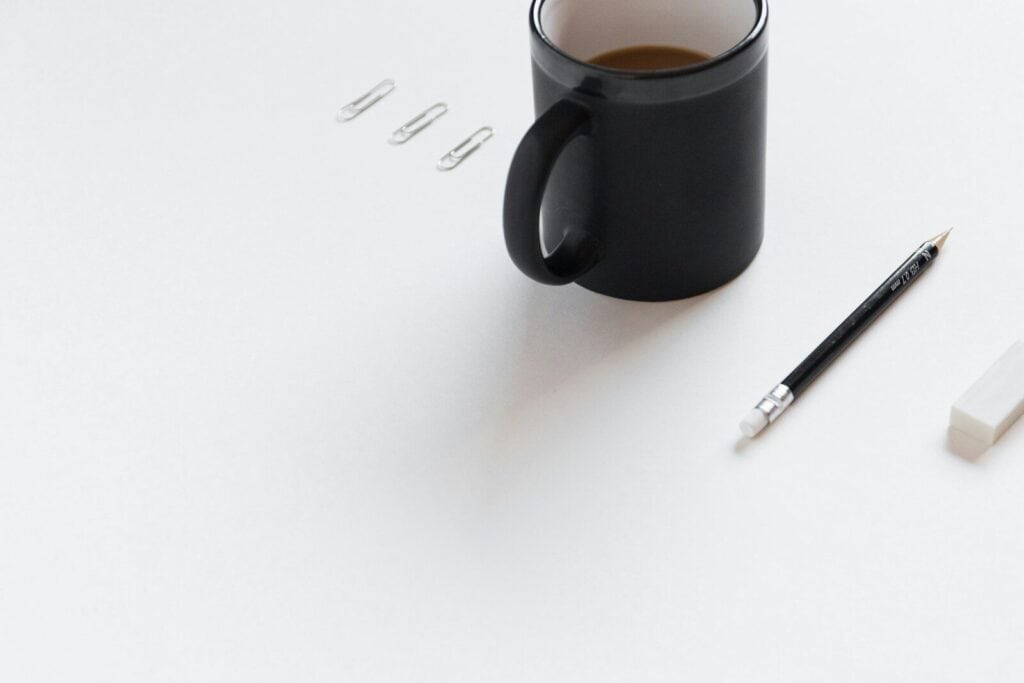
three white paper clips, black ceramic mug, black pencil, and white pencil eraser on white surface

Let's talk!

Reach out to me with questions, requests, or feedback. Looking forward to hearing from you!


Related articles

Tired of store-bought sports drinks that taste like neon and come with a side of mystery ingredients? You're not alone. Whether you're sweating it out at the gym, bouncing back from a bug, or just want a healthy hydration boost, a DIY electrolyte drink is your new best friend.

Power Up Naturally: How to Make Your Own DIY Electrolyte Drink

Tired of store-bought sports drinks that taste like neon and come with a side of mystery ingredients? You're not alone. Whether you're sweating it out […]

July 18, 2025

5
A person's hand with a red tattoo on their left hand

The Way You Speak to Yourself Matters

There is one voice you hear more than any other: your own. Yet many of us pay little attention to the way we speak to ourselves throughout the day. This week’s The Vital 5 reflection explores how self-talk influences our wellbeing, resilience, and ability to navigate challenges. Often, we offer more understanding and compassion to others than we do to ourselves. By becoming more aware of the conversations happening in our minds, we can begin to create a more supportive inner environment. Because sometimes the most meaningful change doesn’t come from doing something differently – it comes from changing the voice that accompanies us along the way.

September 8, 2026

5
a woman in a hat is posing for a picture

You Don’t Need to Start OverWhat if you were never off track?

September often brings the feeling that it’s time to “get back on track.” But what if you were never off track to begin with? This week’s Vital 5 reflection explores how our habits naturally shift with the seasons and why lasting wellbeing isn’t about perfection—it’s about adapting with life. Instead of focusing on what didn’t happen over the summer, discover a more supportive way to think about progress, health, and personal growth. Learn how small, everyday choices continue to shape your wellbeing and why your next choice may be more important than any perfect plan. A fresh perspective on mindset, self-compassion, and sustainable healthy habits.

September 1, 2026

5