
Introduction
More people than ever want to eat healthier, more sustainably, and with less rigidity.
The biggest nutrition trend in 2026: flexible plant-based eating.
But what’s the actual difference between:
- vegan
- plant-based
- flexitarian
They all focus on more plants and fewer animal products — but they’re not the same.
What Does “Vegan” Mean?
A vegan diet excludes all animal products:
- no meat or fish
- no dairy or eggs
- no honey
It’s often driven by:
- ethics (animal welfare)
- environmental concerns
- health reasons
What Does “Plant-Based” Mean?
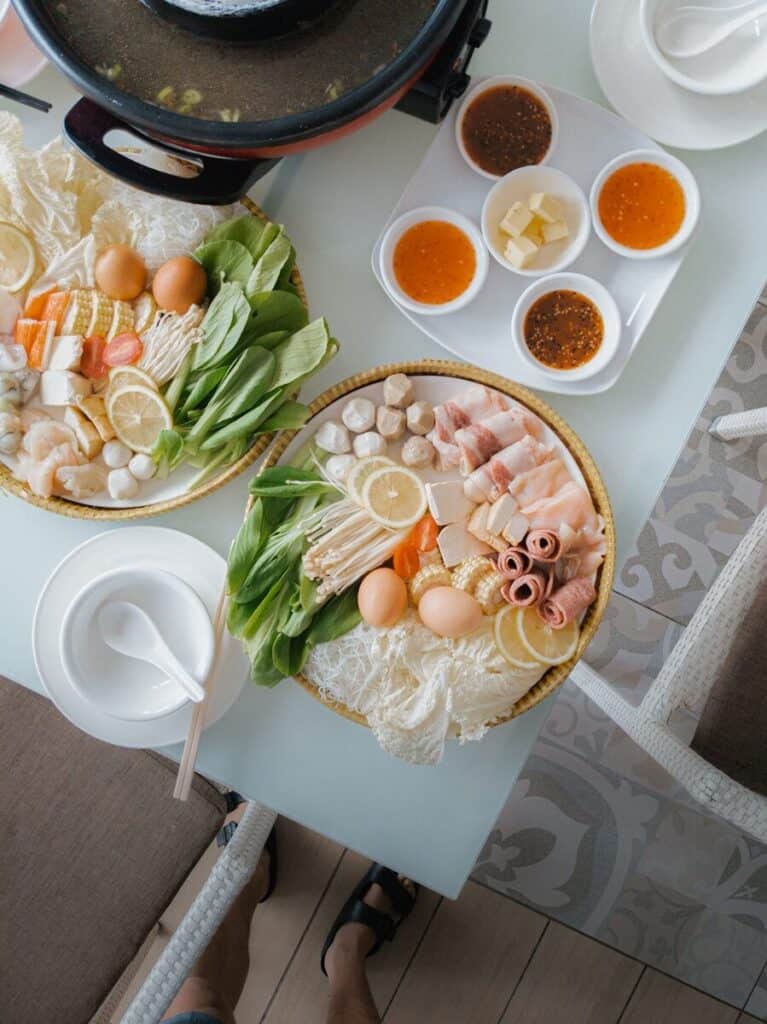
Plant-based focuses on:
- whole, minimally processed plant foods
- vegetables, fruits, legumes, grains, nuts
Important:
It doesn’t have to be 100% vegan
Some people still eat small amounts of animal products. Focus = health, not ideology
What Does “Flexitarian” Mean?
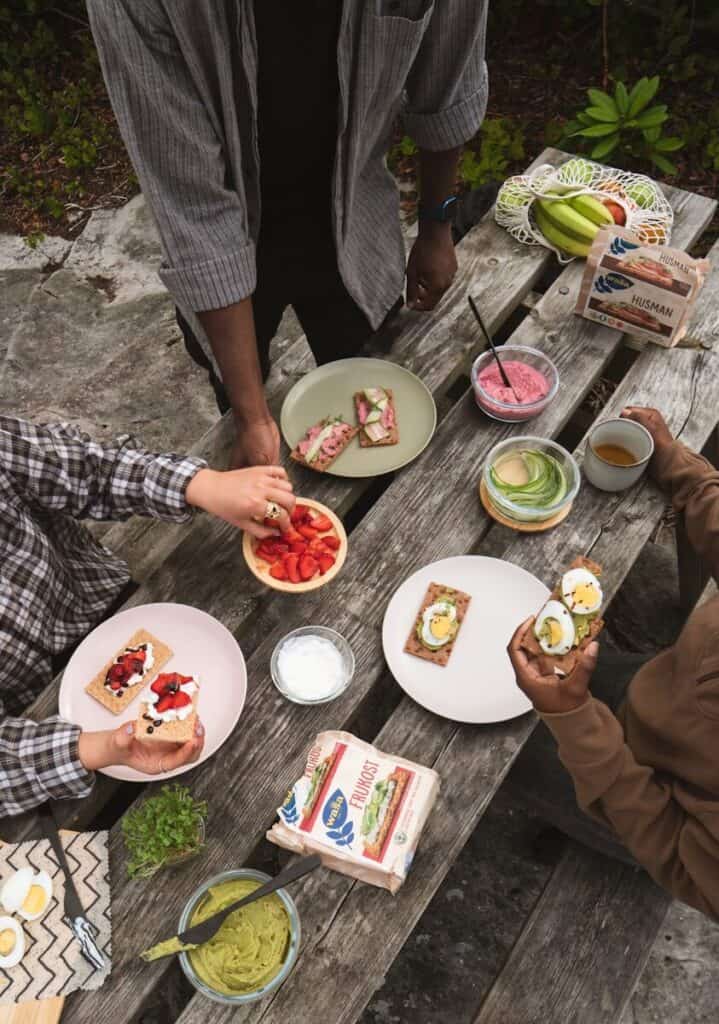
Flexitarian = flexible vegetarian
- mostly plant-based
- occasional meat, fish, or dairy
- no strict rules
Focus:
- balance
- sustainability
- real-life practicality
Fastest growing diet trend in 2026
Key Differences (Quick Overview)
- Vegan → strict, no animal products
- Plant-based → mostly plants, flexible definition
- Flexitarian → mostly plants + occasional animal products
Which One Is Right for You?
- Want clear rules + strong ethics → vegan
- Want optimal health → plant-based
- Want flexibility + balance → flexitarian
Most people succeed long-term with flexitarian or plant-based
Next Article
Why Plant-Based Diets Are So Popular in 2026 (Health, Energy & Sustainability)