

If your energy crashes mid-morning or mid-afternoon, you’re not alone.
Most people don’t lack motivation. They lack stable fuel.

And despite what the internet suggests, stable energy doesn’t come from cutting carbs, tracking glucose or optimizing every bite.
It comes from how your meals are built — and how consistently you eat them.
Let’s make this simple.
Energy isn’t about stimulation — it’s about stability
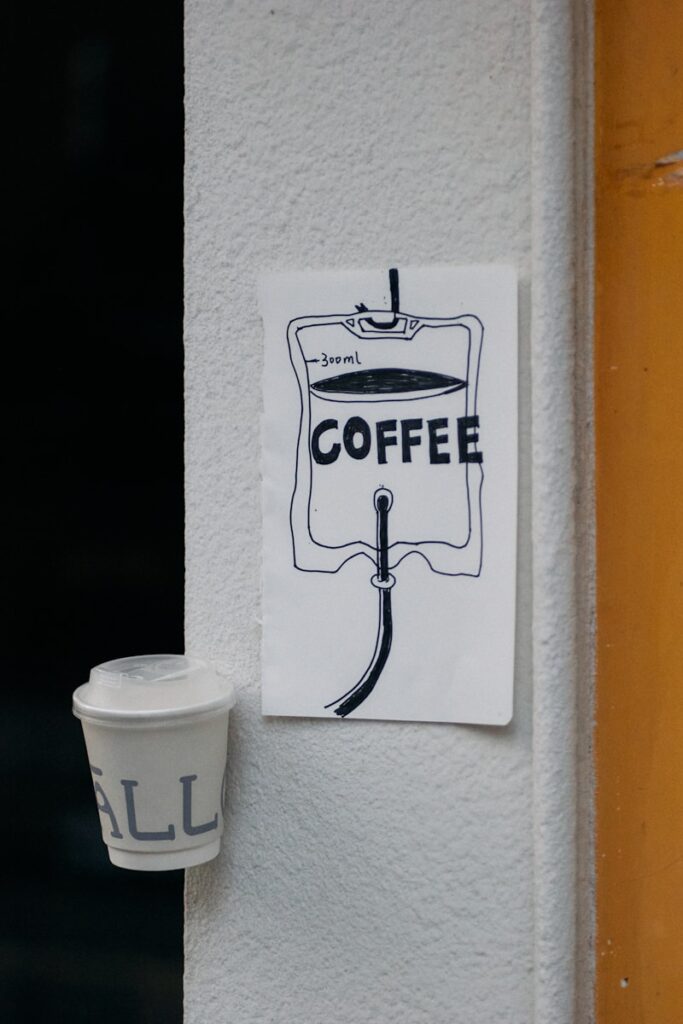
Caffeine, sugar and quick snacks give you spikes, not energy.
Spikes feel productive — until they drop.
Stable energy comes from:
- steady blood sugar
- balanced meals
- enough food (yes, really)
When your body feels safe and fuelled, it doesn’t panic.
The real reason energy crashes happen
Most crashes come from meals that are:
- too carb-heavy without protein or fat
- too light for your actual needs
- irregular or skipped
Your body responds by releasing stress hormones to keep you going.
That works — briefly. Then comes the crash.

The simplest rule for stable energy
Every meal needs three things:
- Fiber

- Protein

- Fat

Not in extreme amounts. Just present.
Why this works
- Fiber slows digestion
- Protein stabilizes blood sugar
- Fat keeps you full and focused
Together, they create calm energy — not excitement, not exhaustion.
What this looks like in real life
Instead of:
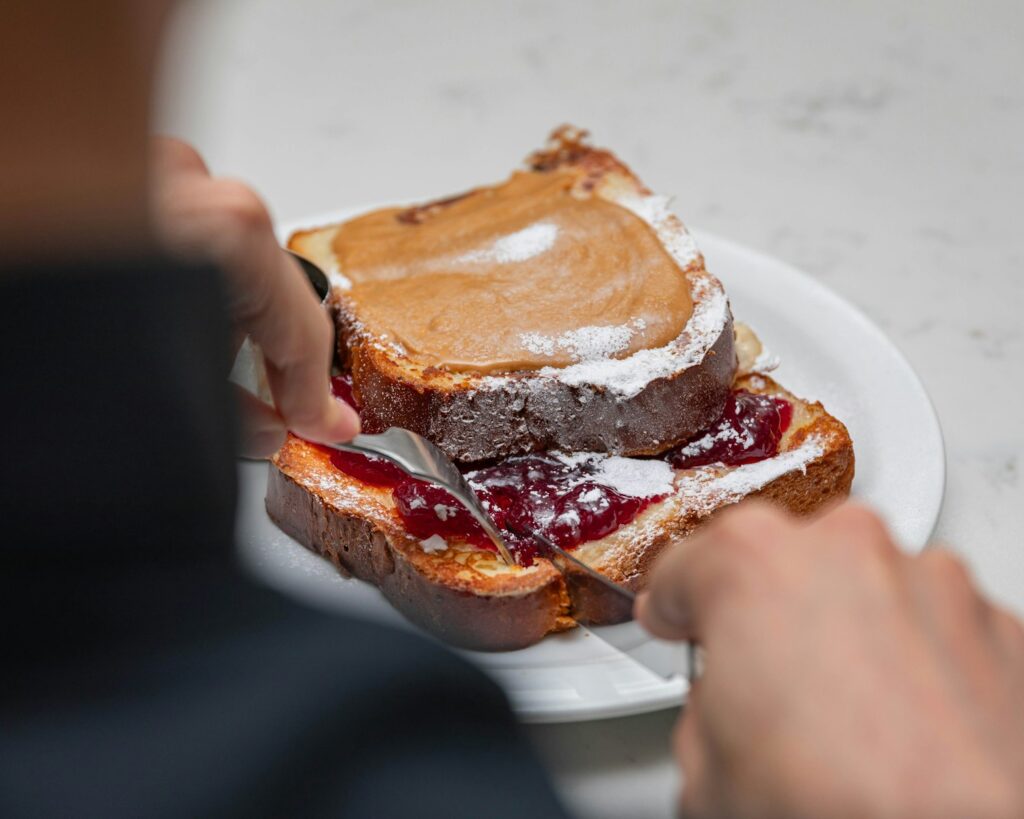
Toast + jam
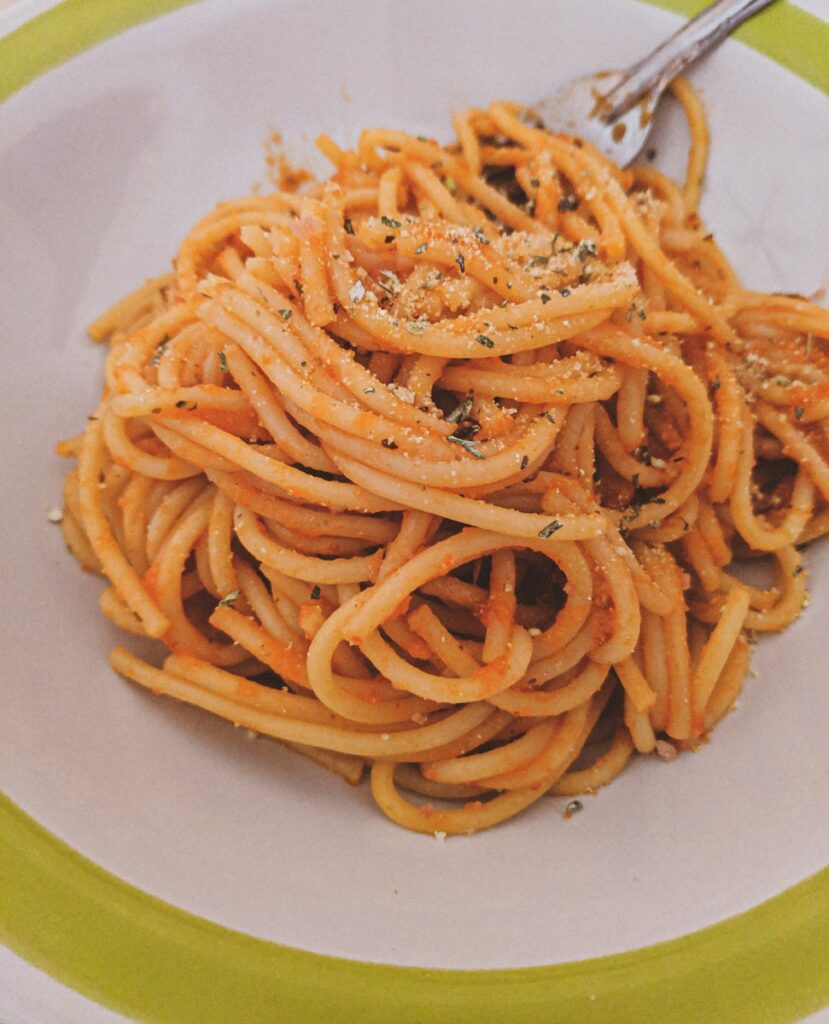
Pasta alone
Fruit as a snack

Try:
Toast + nut butter + fruit

Pasta + lentils or beans + vegetables + olive oil

Fruit + nuts or yogurt

Same foods. Different structure.
You don’t need to avoid carbs (your energy depends on them)
Carbs aren’t the problem. Lonely, refined and low quality carbs are.
Carbs work best when they’re:
- paired with fiber
- balanced with protein and fat
Cutting carbs often feels good short-term — until your energy, mood or hormones suffer.
Balanced meals win long term.
Why plant-forward eating supports stable energy
Plant-rich meals naturally contain:
- fiber
- complex carbohydrates
- micronutrients
This makes blood sugar swings less dramatic. You don’t have to be vegan. You just need plants on your plate.
What no one tells you about “low energy”
Sometimes low energy isn’t a problem to fix. It’s a message.
Common reasons people feel tired:
- under-eating
- skipping meals
- chronic stress
- eating on the go, always
Food can support energy — but only if your body feels consistently nourished.
A simple day for steady energy
Breakfast
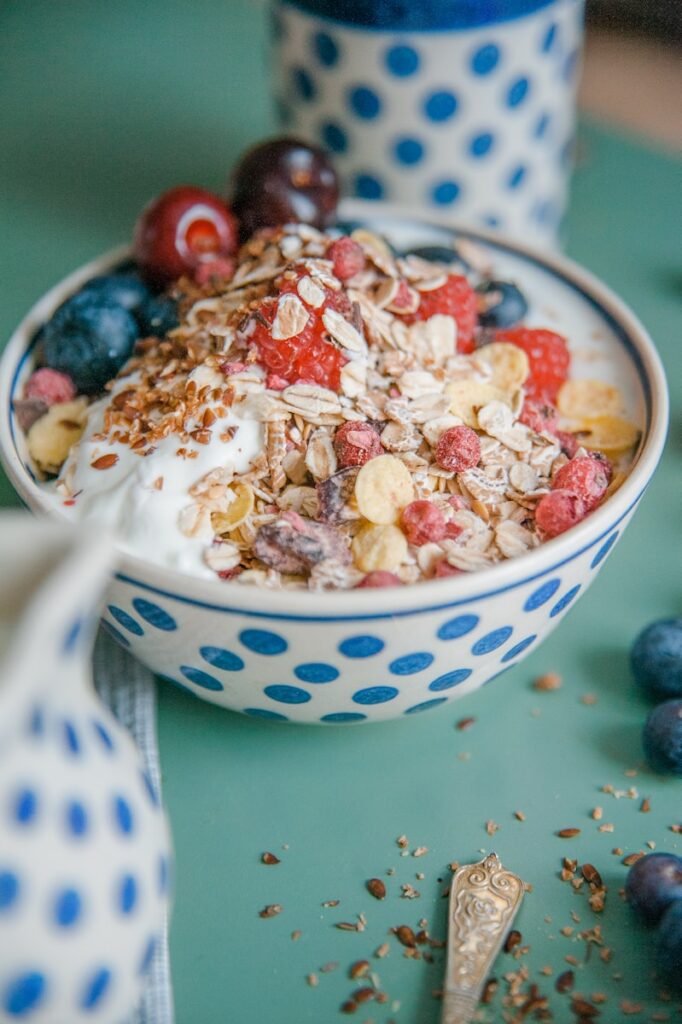
Oats with berries, nuts and seeds
Lunch
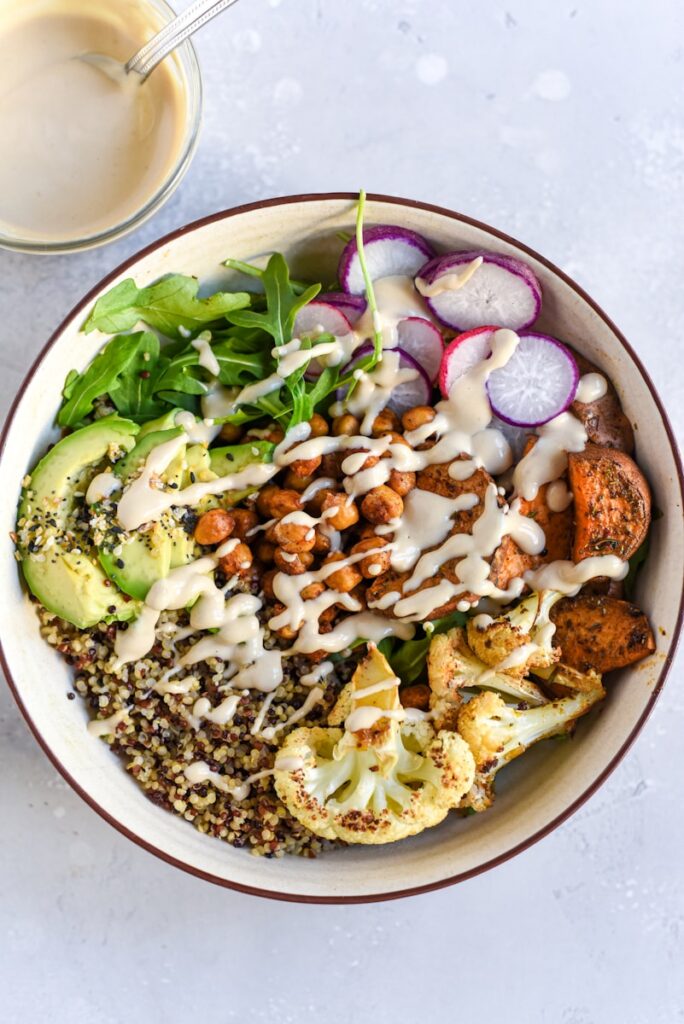
Grain bowl with vegetables, protein and olive oil
Snack

Apple + handful of nuts
Dinner
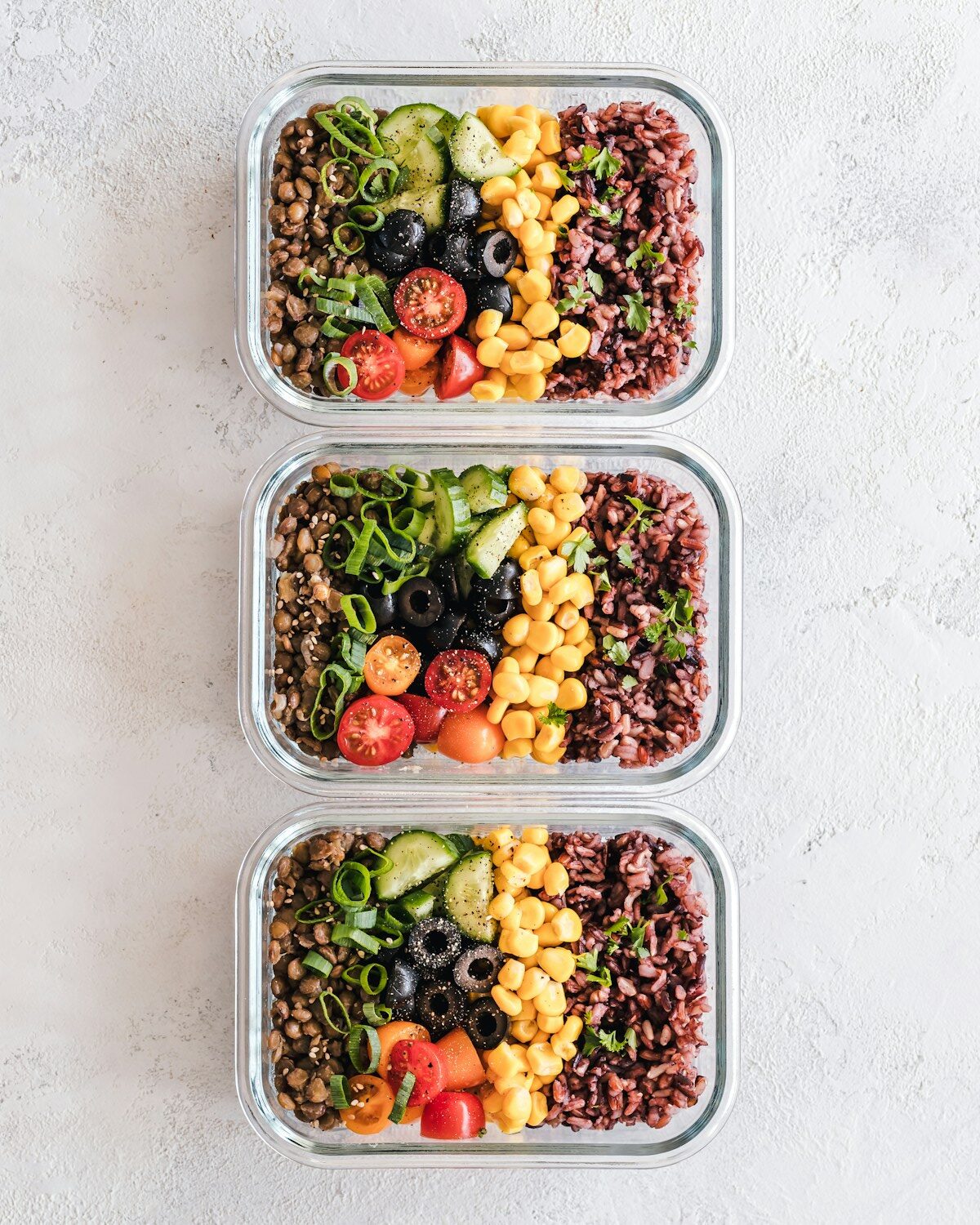
Vegetables + protein + whole grains
Nothing fancy. Nothing tracked. Just steady fuel.
Who this approach works best for
This works especially well if you:
- feel tired despite eating “healthy”
- crash between meals
- don’t want to track or restrict
- want energy that lasts all day
If you enjoy data and wearables, fine — but they’re optional, not required.
The calm truth about energy
Energy doesn’t come from pushing harder.
It comes from:
- eating enough
- eating regularly
- building balanced meals
Stable energy feels almost boring — and that’s exactly the point.
Final thought
If your goal is more energy, don’t aim for peaks. Aim for calm, steady fuel.
Your body will take care of the rest.